May 1, 2026
Heat pumps have emerged as a vital technology in modern energy conservation efforts, becoming increasingly popular among both residential and commercial properties for their efficiency. These systems offer a sustainable solution for heating and cooling, circumventing the need for traditional energy-intensive methods. By transferring heat rather than generating it through combustion, heat pumps can significantly slash energy costs. This reduces consumption and leads to substantial savings in energy bills, making them an attractive option for environmentally conscious consumers and property owners alike. As the world moves toward sustainable energy solutions, heat pumps stand out for their potential to mitigate energy expenses while supporting global climate goals. The critical importance of these systems means that heat pump repair is crucial in times of need.
Understanding Heat Pumps
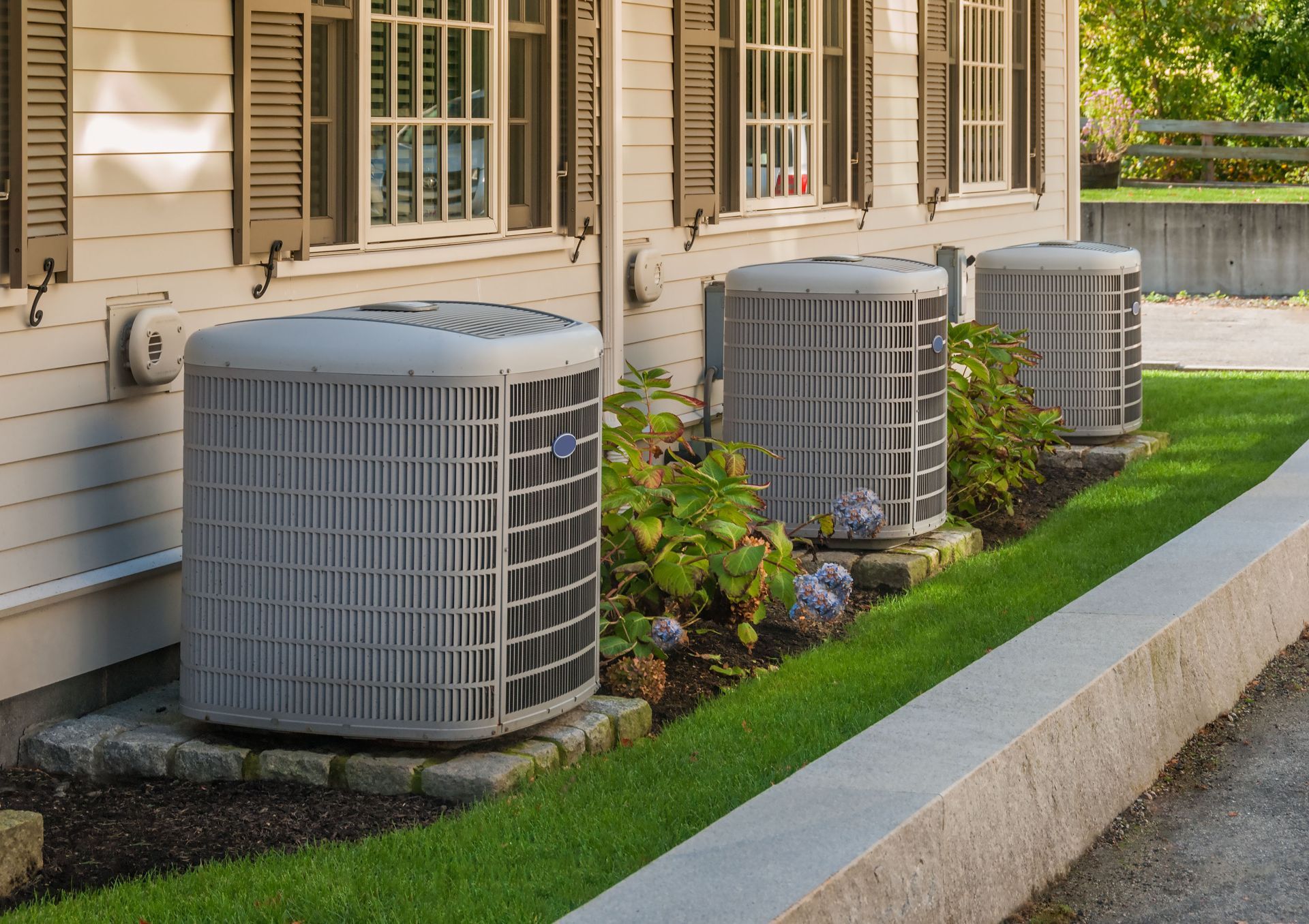
Heat pumps are devices that transfer heat from a source to a destination known as a "sink," effectively heating or cooling an environment. They consist of key components like the evaporator, compressor, condenser, and expansion valve, working in a cycle to extract heat from external air, ground, or water.
This method of operation allows for efficient temperature regulation within buildings, substantially reducing the need for traditional fossil fuel or electric heat sources. By extracting warmth from the ambient environment, even at low temperatures, heat pumps can be more energy-efficient than conventional heating systems. In achieving heating and cooling through transfer rather than direct production, they offer an innovative approach to energy use.
Identifying Types of Heat Pumps
There are several types of heat pumps, each designed to exploit different natural heat sources. Air source heat pumps (ASHPs) extract heat from the outside air, even when temperatures are cold. Ground source heat pumps (GSHPs), also known as geothermal heat pumps, derive heat from the ground, offering exceptional efficiency as ground temperatures remain relatively constant year-round. Water source heat pumps obtain heat from sources such as wells, ponds, or rivers, effectively transferring it to indoor environments. These varieties highlight the adaptability of heat pump systems to different climates and geographical settings, offering customized solutions to energy needs.
Exploiting the Working Principle
The working principle of heat pumps is grounded in thermodynamic laws, particularly the refrigeration cycle, which allows them to move heat effectively. When operating in heating mode, a heat pump absorbs thermal energy from outside and releases it inside a building. This process involves vapor compression, where a refrigerant absorbs heat during evaporation and releases it during condensation. Their ability to extract more energy than they consume makes heat pumps highly efficient.
This efficiency is highlighted by studies showing that, according to This Old House, heat pumps are capable of lowering the electricity used for heating by as much as 75%. This effectively underscores their energy-saving potential and the importance of keeping the system in peak condition to maintain these savings.
Adapting to Seasonal Performance
Heat pumps are designed to perform efficiently in various seasonal conditions, ensuring consistent energy savings throughout the year. During colder months, they extract sufficient heat despite low outside temperatures, thanks to advancements in low-temperature performance technologies. In warmer seasons, they reverse operation to provide cooling, maintaining comfort, and reducing the need for separate air-conditioning systems. Their adaptability to temperature variations enhances overall performance and contributes significantly to reducing annual energy expenditures. Users can thus expect consistent energy savings, regardless of seasonal shifts, making heat pumps ideal for diverse climate zones.
Utilizing Government Incentives
Governments worldwide offer rebates and incentives to encourage the adoption of heat pumps, making them more financially accessible to the public. These incentives often come in the form of tax credits, rebates, or even direct grants to offset the installation costs. Such measures are part of broader initiatives to promote eco-friendly technologies that contribute to reduced energy consumption and emissions.
As a result, consumers are more inclined to invest in heat pump systems, reassured by the financial support provided. By making these systems more affordable, government incentives accelerate the transition to sustainable energy solutions.
Reducing Maintenance Costs
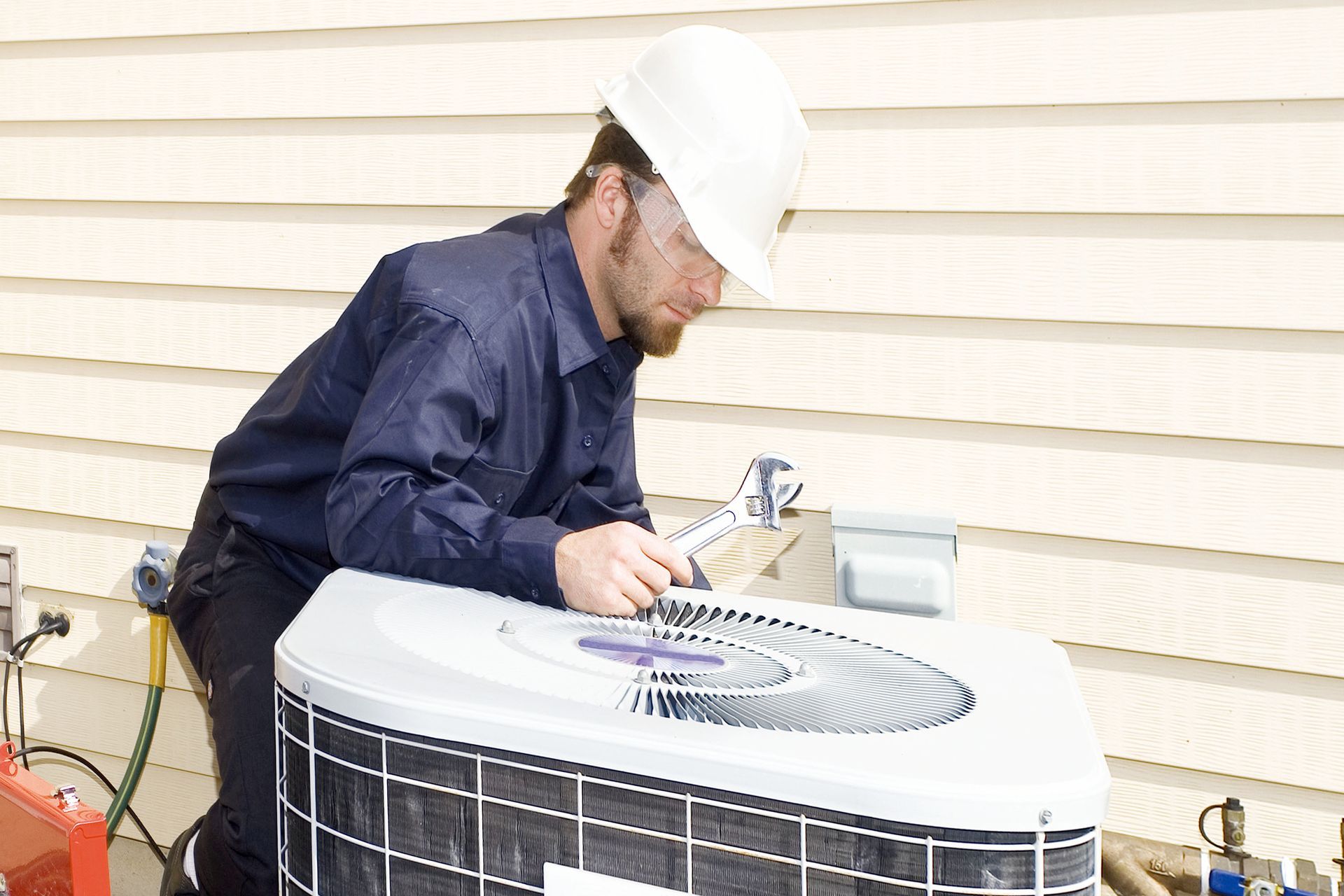
Maintenance requirements for heat pumps are relatively low, contributing to their cost-saving appeal over time. Routine inspections and minor heat pump repair can ensure optimal performance and prolong the equipment's operational life. The reduced need for frequent service checks compared to combustion-based systems helps maintain low maintenance expenses. With fewer moving parts and no reliance on fuel combustion, heat pumps experience less wear and tear. However, should an issue arise, prompt heat pump repair is essential to prevent a drop in efficiency that could negate your monthly savings. This reliability further amplifies their long-term value, reinforcing heat pumps as a wise financial choice in energy-efficient living.
Installation Process and Costs
Successful heat pump installation begins with thorough pre-installation planning, which involves assessing the site's needs and specific requirements. Analyzing factors like property size, location, and climate helps determine the most suitable heat pump type and system capacity. Professional site assessments ensure that installations are optimized for maximum efficiency and cost-effectiveness.
Identifying potential challenges, such as spatial constraints or zoning regulations, is also crucial during this stage. Thoughtful planning lays the groundwork for a smooth installation process, promoting long-term performance and efficiency.
Implementing Installation Procedures
The installation process varies depending on the type of heat pump selected, with each requiring specific preparations and procedures. Air source heat pumps are typically less invasive, involving indoor and outdoor unit setups that connect via refrigerant lines. Ground source installations require more work, as they necessitate digging trenches or boreholes for ground loops. Water source systems dictate having a water supply accessible for heat exchange. Regardless of the type, professional installation ensures quick, efficient, and accurate setup, minimizing potential issues and maximizing system efficacy.
Evaluating Installation Costs
The cost of installing heat pumps can vary widely based on several factors, including system type, site-specific conditions, and labor costs. While installations can initially appear expensive, many financial incentives can help mitigate these expenses.
Governments and utilities often provide rebates or credits to encourage energy-efficient upgrades. These incentives can significantly reduce upfront costs, making heat pump installations more approachable for a broader audience. Whether through direct financial support or favorable financing options, reducing initial investment barriers can catalyze wider heat pump adoption.
Selecting the Right Contractor
Selecting a qualified contractor is critical to ensuring a successful heat pump installation for optimum performance. Homeowners should seek licensed, experienced professionals who understand the specific requirements of installing different types of heat pumps. Checking references, credentials, and reviews can provide valuable insights into a contractor's reliability and expertise. Expert contractors conduct thorough pre-installation assessments and offer support should you eventually require heat pump repair. By choosing the right professional, property owners can confidently invest in heat pump technology, expecting efficient and trouble-free system operation.
Heat pumps offer an innovative and highly effective solution for reducing energy consumption while maintaining peak indoor comfort. By shifting from heat generation to heat transfer, these systems allow homeowners to enjoy massive utility savings and a reduced environmental footprint. However, to keep these sophisticated systems running at their highest efficiency, consistent professional oversight and heat pump repair are required.
If you notice your system is struggling to maintain temperatures or your energy bills are unexpectedly rising, it may be time for a professional evaluation. For all your heating services, furnace maintenance, and specialized heat pump repair, contact Dynamic Heating and Cooling today. Our team also provides expert thermostat services, ventilation services, and water heating services to ensure your entire home remains comfortable and efficient year-round.