May 1, 2026
HVAC systems are foundational to maintaining a comfortable home environment, yet they often operate in the background, unnoticed until an issue arises. Understanding and implementing seasonal HVAC service tips can significantly enhance the performance and lifespan of your system, ensuring comfort and efficiency year-round. Let's delve into actionable maintenance tips for each season of the year, optimizing your HVAC system's efficiency and extending its life.
Spring Maintenance Tips
Inspect and Clean Air Filters
Spring is the perfect time to focus on indoor air quality, starting with your HVAC's air filters. Air filters should be inspected monthly and replaced every three months to ensure optimal airflow and system efficiency. Accumulated dust and debris can force the system to work harder, leading to increased energy consumption and cost. Regular cleaning or replacement of air filters can alleviate such pressures on the system, promoting a healthier indoor environment. Moreover, clean air filters protect sensitive components from clogging and potential damage.
Check Thermostat Settings
Adjusting the thermostat settings at the onset of spring can mitigate unnecessary energy usage during mild temperatures. Setting acceptable temperature ranges while no one is home can also benefit energy savings yet still provide comfort upon return. Programmable thermostats offer more control, allowing adjustments to be scheduled according to your daily routine. These settings aid in maintaining a consistent and comfortable environment without the constant need for manual adjustments. An optimized thermostat setting can reduce HVAC strain and prolong its life.
Schedule a Professional Tune-Up
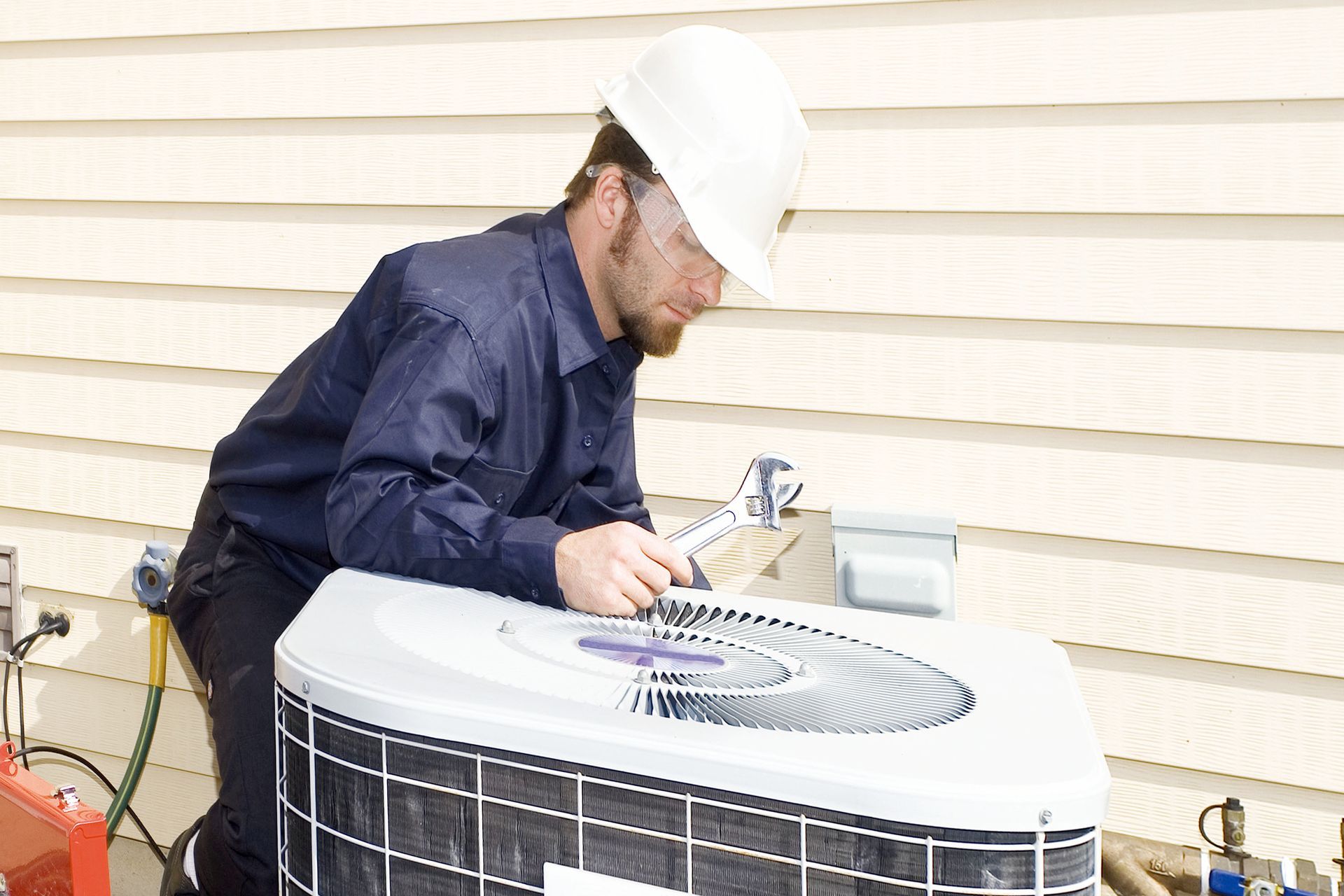
A professional HVAC service tune-up in spring ensures your HVAC system is ready for summer's demands. Trained technicians can detect early signs of wear, avoiding more considerable issues. These routine checks often involve thorough cleaning of critical components such as coils, condensate drains, and belts. Furthermore, according to This Old House, a well-maintained HVAC system can last 15 to 20 years, highlighting the importance of regular professional maintenance. Seasonal tune-ups can prevent costly repairs while maintaining efficient system performance.
Summer Cooling Optimization
Program Thermostat for Summer Settings
Setting a higher interior temperature when away can lead to significant energy savings during summer. A programmable thermostat allows homeowners to schedule temperatures that align with daily routines, ensuring efficient use. Adjusting the temperature by just a few degrees can result in noticeable reductions in energy bills. Thermostats should be programmed to gradually lower temperatures shortly before occupants arrive home. Utilizing programmable features enhances convenience and optimizes system performance throughout the warmest months.
Utilize Ceiling Fans to Cut Cooling Costs
Ceiling fans can be great allies in reducing cooling costs by promoting air circulation. When used in conjunction with your HVAC system, they can enhance comfort levels by distributing cool air evenly throughout the room. Set the fan to spin counterclockwise in summer to push cool air downward, creating a wind-chill effect. This allows you to set the thermostat a few degrees higher without sacrificing comfort. Proper use of ceiling fans can reduce reliance on air conditioning, leading to energy savings and reduced wear on the HVAC system.
Ensure Proper Insulation and Ventilation
Effective insulation and ventilation play critical roles in maintaining desired indoor temperatures with less strain on HVAC systems. Proper attic insulation helps keep hot air from infiltrating into living spaces, especially during the hottest months. Additionally, ensuring that ventilation pathways are unobstructed allows warm air to escape effectively. Good insulation and ventilation create a barrier against temperature extremes, contributing to a stable indoor environment. Enhancing these features is beneficial for energy efficiency and comfort.
Fall Preparation and Checkups
Test Heating System Performance
As temperatures begin to fall, testing the heating system becomes paramount to ensure its readiness for winter. Turning on the system early in fall can identify any issues that may require professional servicing. Ensure all areas of the home receive ample heat distribution by checking and adjusting vents and radiators. Furthermore, testing the system early, rather than waiting until the coldest month, allows ample time for repairs or efficiency optimizations. Regular testing and maintenance help maintain a system's longevity and robust operation throughout its intended lifespan.
Clean Dryer Vents to Ensure Proper Airflow
The change of seasons is an excellent time for homeowners to clean dryer vents, preventing lint buildup that can restrict airflow. Clogged vents not only cause inefficiency but can also become a fire hazard. By ensuring proper dryer vent airflow, you decrease the chances of overheating and enhance the appliance's efficiency. Regular cleaning contributes to overall household safety and HVAC system efficiency by reducing system strain. Clearing dryer vents in addition to regular HVAC maintenance keeps systems running smoothly and reduces energy bills.
Winter Heating Efficiency
Adjust Thermostat for Lower Energy Use
During winter, adjusting the thermostat to a lower temperature when asleep or away can generate significant savings. For every degree a thermostat is lowered, considerable percentages can be shaved from the energy bill. Be inspired to utilize smart technology or programmable thermostats that adjust automatically, offering convenience without compromising warmth. Setting back the temperature in increments ensures comfort is maintained while maximizing energy efficiency. These reductions help mitigate high winter heating costs substantially.
Maintain Clean Vents and Registers
Keeping all vents and registers clean is essential to ensure proper air circulation within the home. Obstructed pathways can diminish the effectiveness of the heating system, placing undue stress on the unit. Homeowners should regularly inspect and vacuum vents and registers to clear dust, pet hair, and other debris. Placement of furniture should also be considered to avoid blocking airflow. Proper airflow promotes even heat distribution and efficient energy use across all areas of the home.
Optimize Boiler or Furnace Efficiency
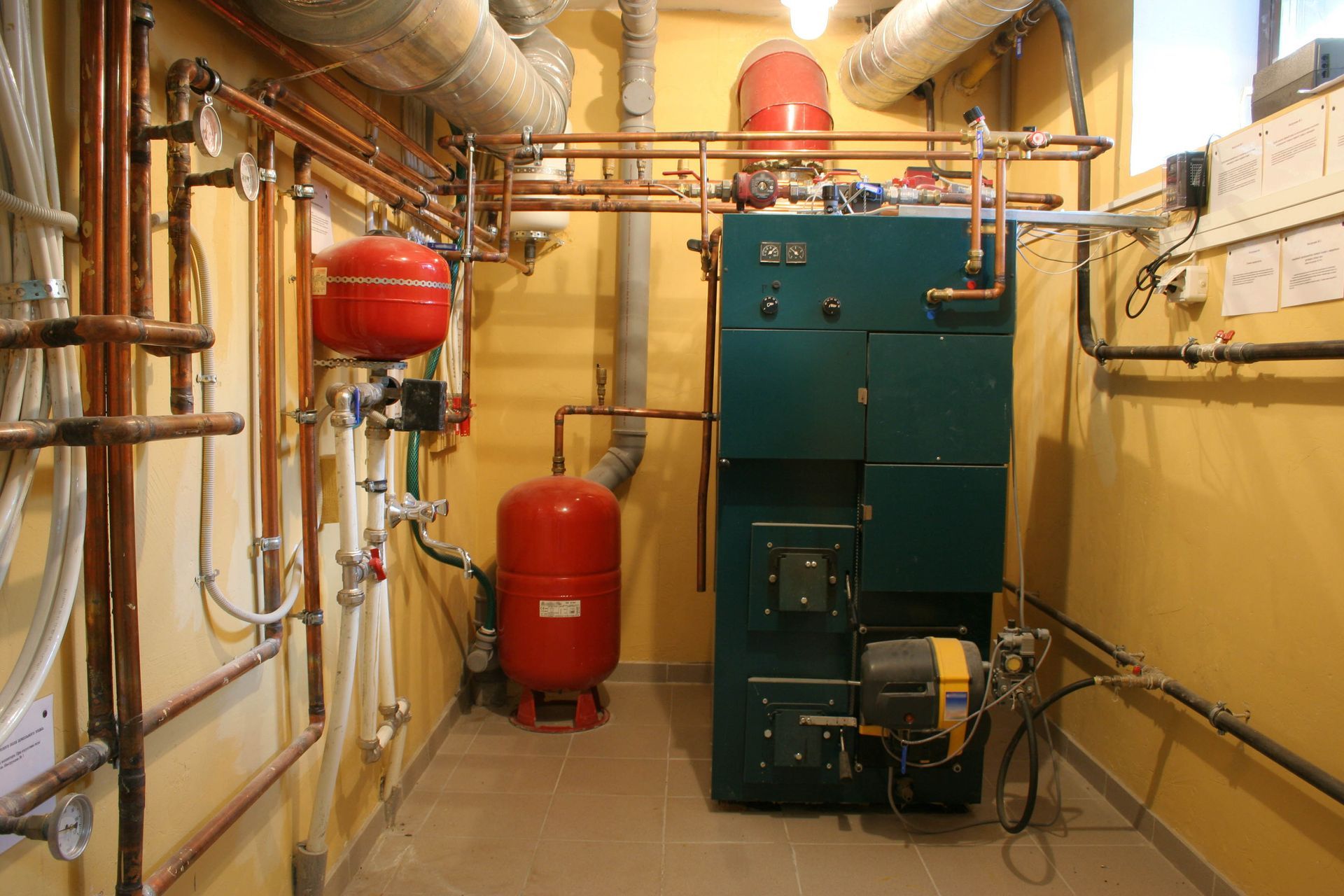
Optimization efforts for the boiler or furnace built upon routine maintenance throughout its lifecycle aim to improve efficiency. Changing furnace filters regularly, checking and cleaning burners, and ensuring safety controls are functioning aptly improve heating performance. According to industry professionals, a well-maintained furnace can function efficiently, offering warmth for the entire home without unnecessary expenses. Professional inspections by an HVAC service ensure that safety devices are correctly calibrated and that carbon monoxide levels remain below warning thresholds. The proactive approach results in a highly efficient heating system and peace of mind.
Energy Saving Techniques Year-Round
Implement Smart Thermostat Technology
Smart thermostat technology has revolutionized energy management, allowing for precise control over heating and cooling systems. Such devices enable remote temperature adjustments via smartphones, optimizing energy use even while away from home. Learning capabilities allow smart thermostats to adapt to household routines, automatically adjusting temperatures to save energy. Efficient temperature management facilitated by smart technology can lead to significant cost reductions annually. This modern development in HVAC technology is an investment toward long-term energy savings.
Conduct Regular Energy Audits
Energy audits illuminate potential areas of improvement within a home's energy consumption profile. Professional audits offer insights that help tailor strategies pertinent to heating and cooling practices, identifying inefficient elements. By addressing audit findings, homeowners can optimize energy use and realize cost benefits from implementing remedial actions. Audits contribute to a holistic understanding of energy consumption patterns, informing strategies to mitigate unneeded HVAC stress. Enhancing energy efficiency through audits further extends HVAC system longevity.
Educate Family Members on Efficient Practices
Education around energy-efficient practices empowers family members to contribute to sustainable habits at home. Simple actions, such as turning off lights when leaving a room or adjusting shades based on sunlight, contribute significantly to energy savings. Encouraging mindful HVAC use, such as setting thermostats at thoughtful temperatures, can reduce unnecessary load on the system. Consistent, small efforts supported by all members maintain house-wide energy efficiency. Enhanced awareness around energy efficiency sustains long-term HVAC performance and savings.
By adhering to these seasonal HVAC service tips, homeowners maximize the performance and longevity of their systems, ensuring comfort and energy efficiency through every season. Unyielding dedication to proactive measures meets energy conservation goals, containment of costs, and performance expectations. Householders who engage consistently in conscientious care and upgrade strategies for their HVAC units realize a higher quality indoor environment. To learn more, reach out to the experts at Dynamic Heating and Cooling today!